

工業用チョコレートコンチェはどのように技術の知恵で品質を生み出すのか?
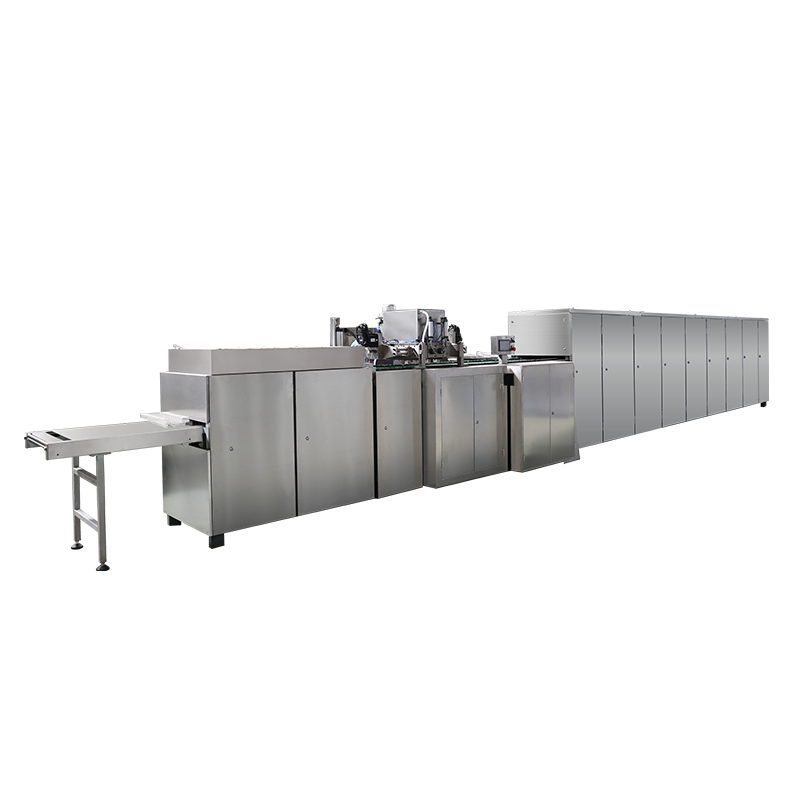
の インダストリアルチョコレートコンチェ カカオ豆、砂糖、粉乳などの基本原料を、緻密な構造設計とミクロンレベルの粉砕技術により、高品質なチョコレート基材に変える中核装置です。その作動メカニズムには、機械工学の知恵と食品技術の創意工夫が深く統合されています。機械的な力の正確な伝達から粒子サイズの微細な制御に至るまで、それぞれのリンクはチョコレートの品質の究極の追求を反映しており、原材料と美味しさを結び付ける重要な技術的リンクとなります。
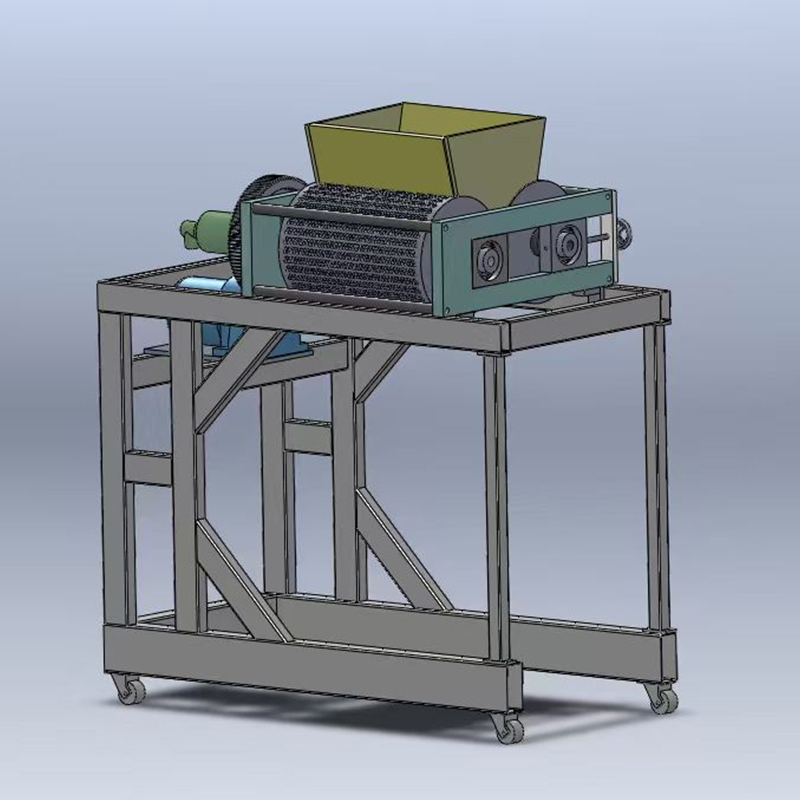
の structural design of the conche is the physical foundation for achieving quality carving. As the mainstream structures, the drum type and the trough type are designed around the two core needs of high-precision grinding and efficient mixing. The drum type refiner uses a horizontal closed drum as a carrier, and the rotation of the drum wall drives the internal grinding elements and the material to produce relative movement. This design not only uses centrifugal force to strengthen the contact between the material and the grinding surface, but also can accurately adjust the internal temperature through the temperature control system of the drum wall; the tank type refiner is based on an open or semi-closed tank body. The built-in stirring device and the grinding roller work together to construct a three-dimensional motion space. The spiral or paddle structure of the stirring blade forms a complex eddy field when rotating to ensure that the material circulates without dead ends in the equipment. Both structures use high-strength alloy materials to build core components. The surface of the grinding roller is specially hardened or engraved with fine lines to enhance the wear resistance while improving the cutting ability of the material. The angle and speed design of the stirring blade are optimized by fluid mechanics to achieve the best material convection effect.
ミクロンレベルの粉砕プロセスは、リファイナーの品質を形成する中心的な手段です。カカオ原料が装置に入る際、粉砕ローラーは精密なギャップ調整システムによってローラーとローラーと内壁の間の距離をミクロンレベルの精度で制御します。高速回転下で、粉砕ローラーの表面とカカオ粒子や砂糖の結晶は高周波の機械的衝突とせん断を受けます。この力は単純な物理的粉砕ではなく、多段階の粉砕システムによる粒子サイズの正確な制御によるものです。初期段階では、粗粉砕ローラーが原材料を数百ミクロンまで粉砕し、その後の精製の基礎を築きます。材料が装置内を循環すると、微粉砕ローラーが粒子を 20 ~ 30 ミクロンの理想的な範囲までさらに細かくします。この細かさの基準は長期にわたる工程検証によって証明されており、口に入ったときのチョコレートの粒感をなくすだけでなく、適度なしっかりとした構造を保ち、味のレベルを維持することができます。たとえば、砂糖の結晶を精製すると、甘味が均一に放出され、局所的な甘さや砂っぽい感じが避けられます。そしてカカオ粒子を完全に粉砕することにより、内部のフレーバー物質の完全な露出が促進され、その後のフレーバーの融合のための条件が作成されます。
の coordinated control of mechanical force and process parameters gives the refiner the ability to deeply regulate quality. The shear heat generated during the grinding process is not a simple side effect, but is cleverly transformed into a process booster: moderate temperature rise causes the melting of oil components such as cocoa butter to form a natural lubricating medium, reduce the internal friction of the material, and assist in further refinement of the particles; at the same time, with the sharp increase in the specific surface area of the particles, the flavor substances such as polyphenols and volatile aldehydes in the cocoa beans are fully in contact with raw materials such as sugar and milk powder, causing physical adsorption and initial fusion between molecules. The refiner precisely controls the intensity and duration of this process through the linkage adjustment of the temperature control system and the stirring speed - too high a temperature will cause the flavor substances to volatilize, and too low a temperature will affect the fusion efficiency; stirring too slowly can easily cause uneven local grinding, and too fast may cause over-grinding. This precise control of process parameters ensures that the chocolate forms a unique flavor precursor and delicate texture during the grinding stage.
実際の生産では、精製業者のプロセスの知恵が、複雑な変数の動的なバランスに反映されます。この装置は、センサーを通じて材料の粘度、温度、研削圧力などのパラメータをリアルタイムで監視し、制御システムにフィードバックしてインテリジェントな調整を行います。たとえば、ココアバターの溶解により材料の粘度が低下したことが検出されると、システムは粉砕ローラーのギャップと撹拌速度を自動的に調整して、最高の粉砕効率を維持します。理想的な粉砕の細かさに近づくと、過剰な加工を避けるために速度を落として粉砕の強度を下げます。この適応メカニズムにより、製品の各バッチの品質の一貫性が確保されるだけでなく、製造業者がさまざまなチョコレートのレシピ (ダーク チョコレートやミルク チョコレートなど) に応じてプロセス パラメーターを柔軟に調整して、フレーバーとテクスチャーの差別化された成形を実現することもできます。
の industrial chocolate conching machine uses precise structural design as the skeleton and micron-level grinding technology as the soul, sublimating the mixing of raw materials into a deep carving of quality.